Ages 8 to 14 · In person or virtual
TECH-EQ
Brains
before bots
Kids who can see the trick get to choose.
Apps, games and AI are built to hold their attention. Here, kids feel the tricks happen live, then learn how they work, like a magician's reveal.
What kids learn
Kids feel the tricks happen. Then they learn how they work.
Theatrical, interactive and hands-on. Instead of a lecture about screen time, kids live through the hook in the room, laugh about it, and walk out knowing how to spot it.
Spot the hook
How screens use our feelings to keep us clicking, scrolling and playing.
Check the answer
AI can sound right and still be wrong. Kids practice checking before trusting.
Know who's watching
What apps learn about us, and what to keep private.
Keep thinking
Why doing the hard thinking yourself builds the brain AI can't.
The magician's reveal
See the sleight of hand behind the screen.
Like a magic show, kids get fooled first. Then Diana pulls back the curtain and shows them how machines mimic people, play on emotions, and serve up what we want before we know we want it. Once kids see the trick, they can't unsee it.
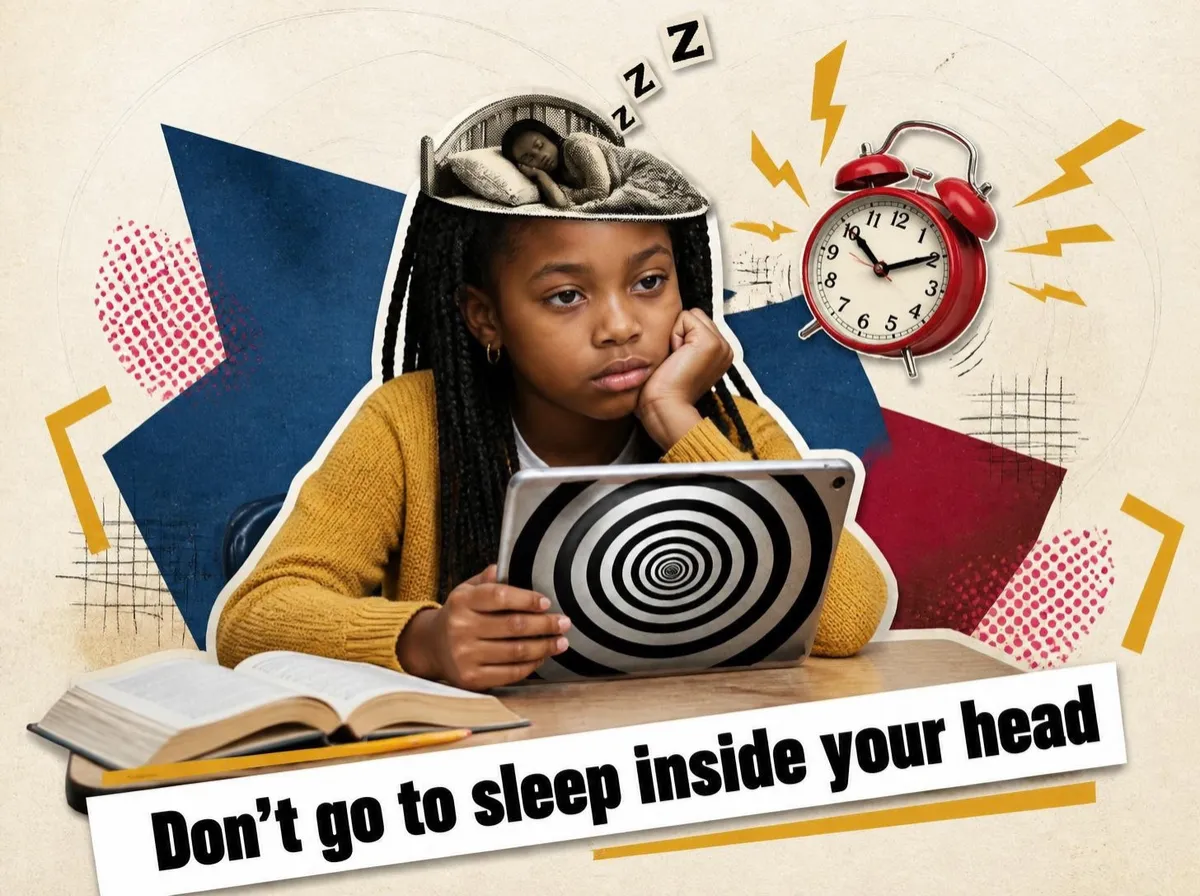
Don't go to sleep inside your head. Put your brain to work instead.
- 01
Track your time
Notice how much of the day goes to screens, and what you'd rather do with that time.
- 02
Check in with your feelings
How do I feel right now, and why? Apps are built to stir up strong feelings, and that's the hook.
- 03
Question what you see
Filters, AI answers and trending posts can look real and sound sure, and still be wrong.
- 04
Live your real life
Do the thing yourself instead of watching someone else do it online. You might be a great guitarist, but you'll never know until you pick one up.
Ways to book
Pick your pass.
Sessions run 45 to 60 minutes, live in person or virtual.
Admit all
Family Night
Kids and parents together, plus take-home talk cards so the conversation keeps going at the dinner table.
Admit one class
Classroom Day
45 to 60 minute grade-level sessions for 4th through 8th grade, in person or virtual.
All-day pass
Combined Visit
Classroom sessions by day, then a family night that evening, so kids and parents learn the same language.
For parents
What's really going on behind the screen.
Parents get clear information about online safety and healthy development, plus practical steps they can take at home. These are some of the conversations we open up.
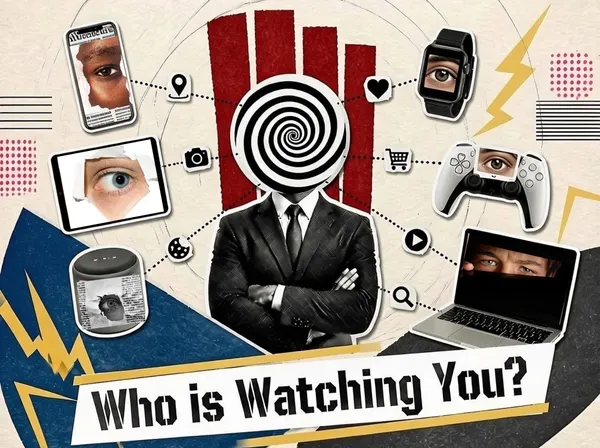
Tech studies kids too. It notices what they click, watch, pause on and react to. Learn what to keep private.
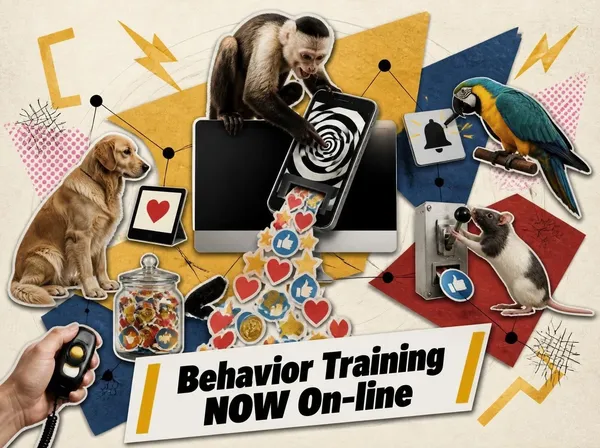
Rewards, streaks and notifications are behavior training. See how it works.

Even when something is fake, our feelings can react like it is real. How to tell the difference.
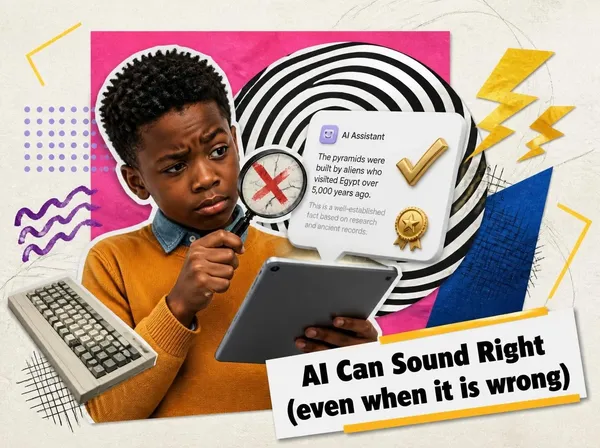
AI can give an answer that sounds smart, clear and confident, and still be wrong.
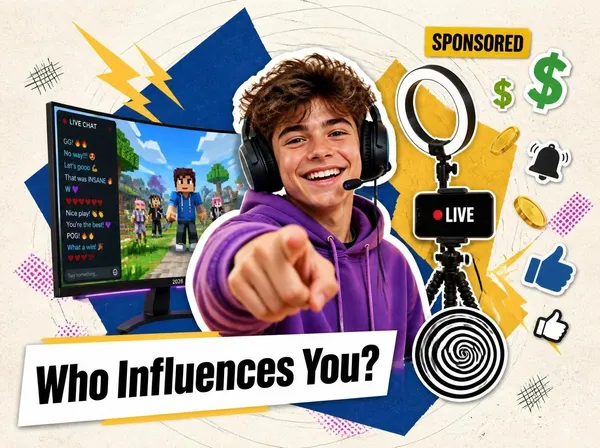
Influencers and algorithms shape what kids want and who they think they should be.
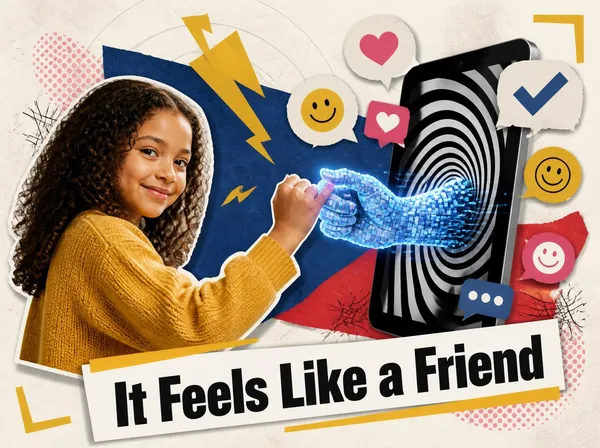
AI companions and chatbots can feel like friends. What parents should know.
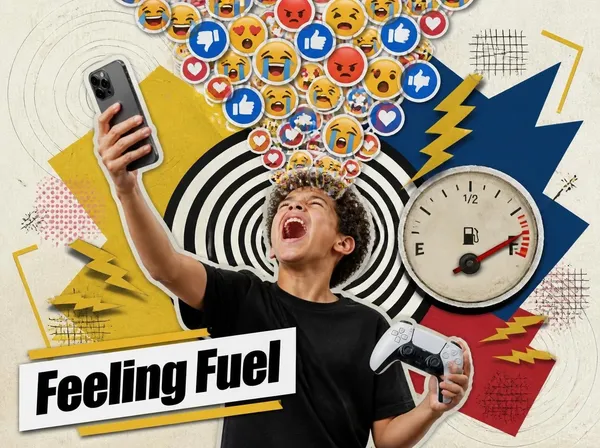
Apps and games are built to pull feelings out of us: excitement, frustration, curiosity and urgency.
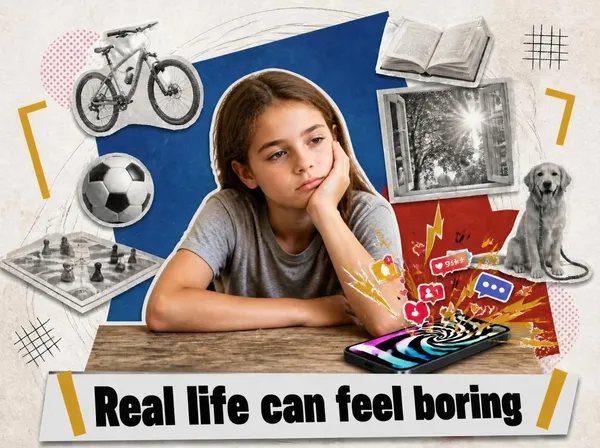
When brains get used to constant excitement, everyday life starts to feel dull. How to help kids enjoy real life again.
Watch: 1 minute
The zombie apocalypse is here. But not what you think.
It started with one little Minecraft session. Then the screens took over.
A funny, one minute look at what screens do to kids, and the good news: you can bring them back.
Parent safety guide
Protect them without the power struggle.
Every family visit includes a guide with the concerns worth watching and simple actions you can take this week.
Ask about the parent guide- Screen time and mental health
- Physical health and inactivity
- Social and emotional well-being
- Inappropriate content
- Parental controls that work
- Privacy and digital footprint
- Cyberbullying and harassment
- Tech dependency
- Effects on school and learning
- Balancing tech and real life
Share it
Bring Brains Before Bots to your school.
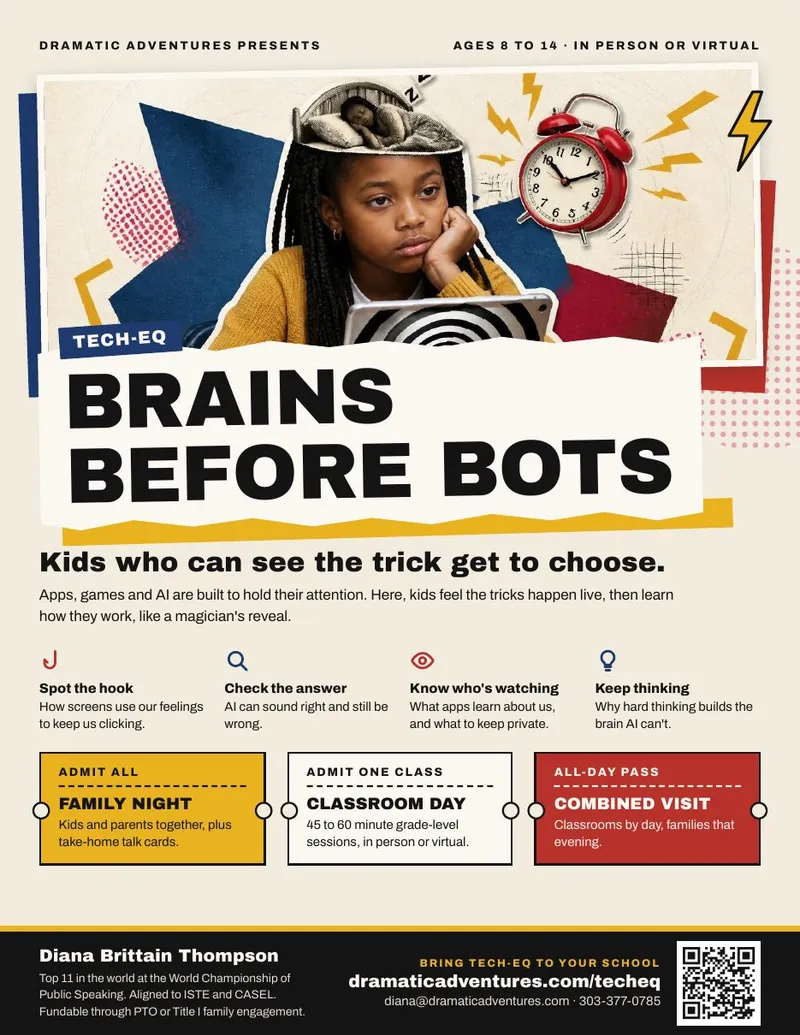
Download the one-page flyer and pass it to your principal, PTO or parent group. It has everything they need to say yes.

Your presenter
Diana Brittain Thompson
Award-winning speaker and experiential learning designer with roots in theater. This past year Diana brought Tech-EQ to nearly 1,000 students ages 10 to 15, showing them how algorithms, AI and marketing can play on their emotions.
Questions
Good to know.
Is this an anti-technology program?
No. Kids learn how the tools work so they can use them on purpose, instead of being used by them.
What ages is it for?
Ages 8 to 14, roughly 4th through 8th grade. Teen coaching and an adult program are also available.
How long is a session?
Sessions run 45 to 60 minutes. A combined visit fills a school day and an evening.
Can you come to us virtually?
Yes. Classroom days and family nights both work live in person or virtual.
How do schools usually pay for it?
Many schools use PTO budgets or Title I family engagement funds. The program is aligned to ISTE and CASEL standards, which helps with approvals.
What do families take home?
Talk cards that keep the conversation going, plus a parent guide with safety concerns to watch and practical steps to take.
Let's work together
Bring Brains Before Bots to your kids.
Tell me about your school, group or family and the dates you have in mind. I'll help you pick the right format.
- Family nights
- Classroom days
- Combined visits
- Teen coaching
- Parent and educator programs
Send Diana a note
Diana will reply within two business days.